Thinking about learning to fly in Australia? One of the first questions new pilots ask is: What’s the difference between the Recreational Pilot Certificate vs Recreational Pilot License (RPC vs RPL)?
Both are beginner-level aviation qualifications, but they are issued by different authorities and come with different privileges. In this guide, we’ll break down RPC vs RPL, so you can decide which pathway best suits your aviation goals.
What is a Recreational Pilot Certificate (RPC)?
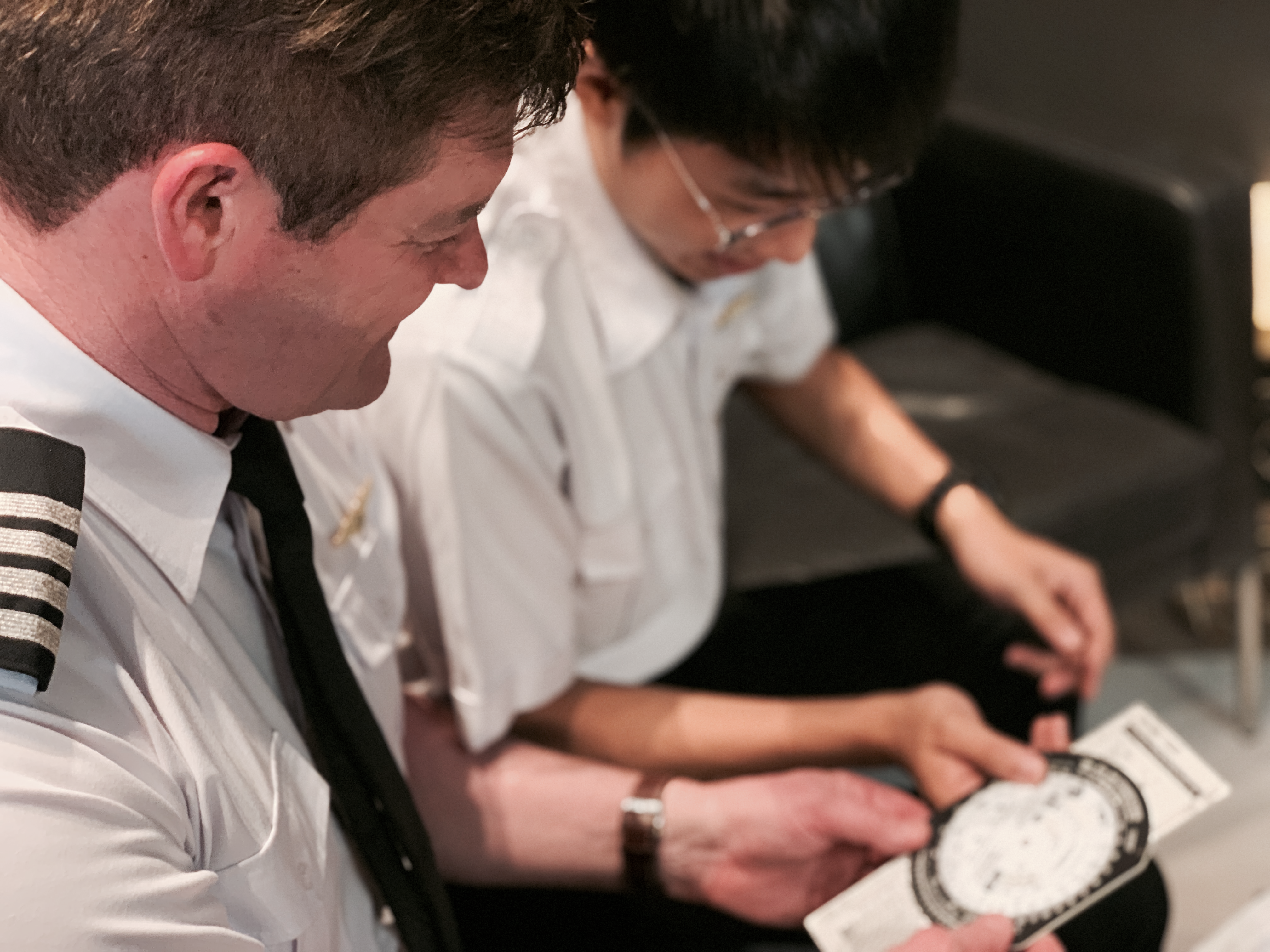
The Recreational Pilot Certificate (RPC) is issued by Recreational Aviation Australia (RAAus). It’s designed for new pilots who want to start flying light sport aircraft at an affordable cost.
With an RPC, you can:
-
Fly an aircraft with a maximum take-off weight of 600kg
-
Operate within 25 nautical miles of your departure airport
-
Fly only in daylight hours and in uncontrolled airspace
Additional endorsements you can add include:
-
Passenger Endorsement
-
Tailwheel Endorsement
-
Formation Flying
-
Cross Country Endorsement
-
And more!
👉 Learn more about our Recreational Pilot Certificate program
For official details, visit the RAAus website.
What is a Recreational Pilot License (RPL)?
The Recreational Pilot License (RPL) is issued by the Civil Aviation Safety Authority (CASA). It provides broader privileges than an RPC and is a common step for pilots who want to fly heavier aircraft or carry more passengers.
With an RPL, you can:
-
Fly single-engine aircraft up to 1,500kg MTOW
-
Carry up to 3 passengers (depending on your medical clearance)
-
Fly within 25 nautical miles of your departure aerodrome (or further with a cross-country endorsement)
Possible endorsements include:
-
Controlled Airspace Endorsement
-
Flight Radio Endorsement
-
Cross Country Endorsement
-
And more
For more details, check the CASA website.
RPC vs RPL – Side-by-Side Comparison
| Criteria | Recreational Pilot Certificate (RPC) | Recreational Pilot License (RPL) |
|---|---|---|
| Minimum Age | 15 years | 16 years |
| Passengers | 1 passenger | Up to 3 passengers |
| Minimum Hours | 20 hours | 25 hours |
| Medical Requirements | Self-declared (basic) | RAMP-C (2 pax) / Class 2 (3 pax) |
| Aircraft MTOW | 600kg | 1,500kg |
| Endorsements | Passenger, Tailwheel, Formation, Cross Country, etc. | Controlled Airspace, Radio, Cross Country, etc. |
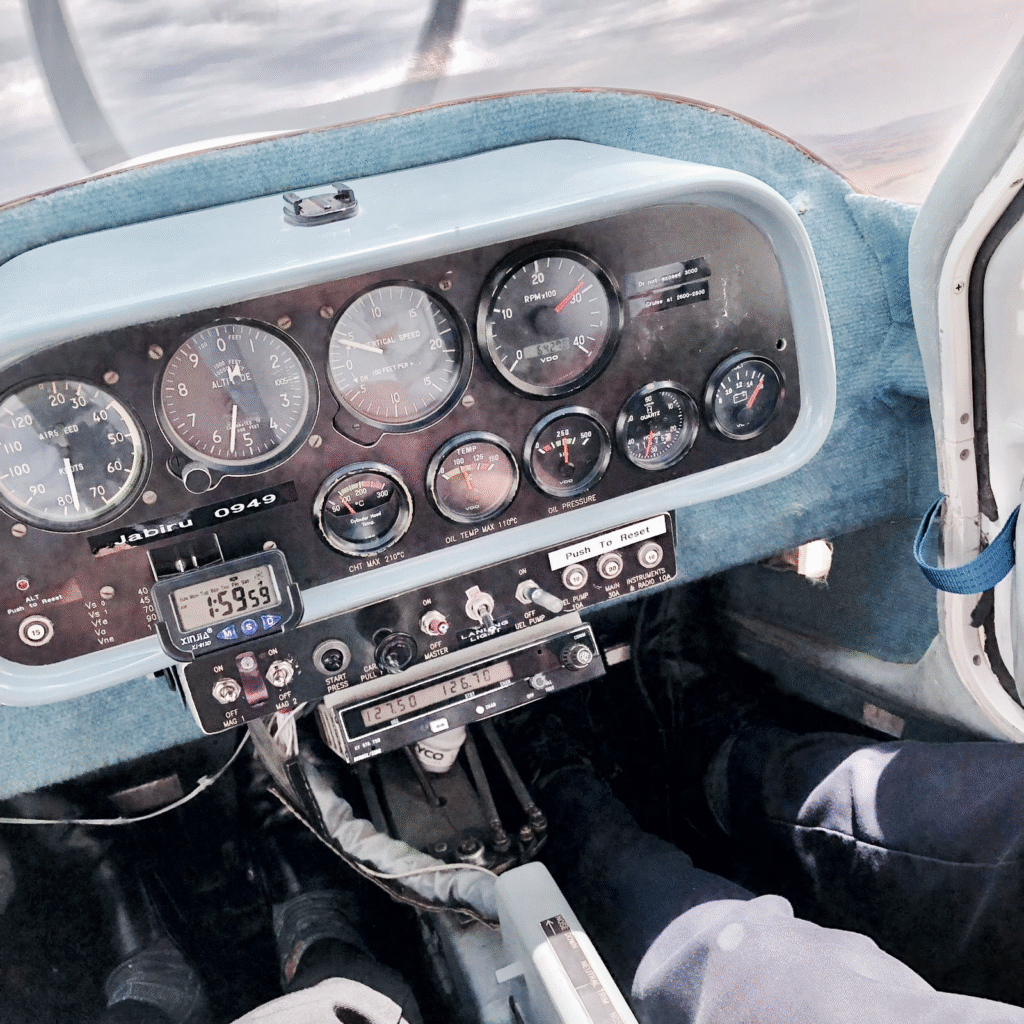
Can You Convert an RPC to an RPL?
Yes, you can. Many students begin with an RPC for its lower cost and flexibility, then upgrade to an RPL later. To convert, you’ll need to:
-
Obtain an Aviation Reference Number (ARN) via CASA.
-
Complete a CASA medical check with an approved examiner.
-
Apply for an ASIC pass (with in-person ID check).
-
Submit CASA Form 61 for conversion.
-
Log at least 5 hours in a heavier aircraft (up to 1,500kg) and pass a flight check.
This pathway is ideal for those who want to start flying recreationally and later expand their privileges.
Which Option Suits You Best?
Deciding between RPC vs RPL depends on your aviation goals:
-
Flying for fun? Start with an RPC — it’s quicker, more affordable, and perfect for hobby flying.
-
Want to fly with family and friends often? Upgrade to an RPL for extra passenger capacity and access to heavier aircraft.
-
Planning to join the airlines? Consider going straight for a Private Pilot License (PPL) or airline cadetship. Still, an RPC is an excellent first step, giving you valuable experience and a strong resume booster.
👉 Book a consultation to see how you can fast-track your aviation career.
Start Your Aviation Journey
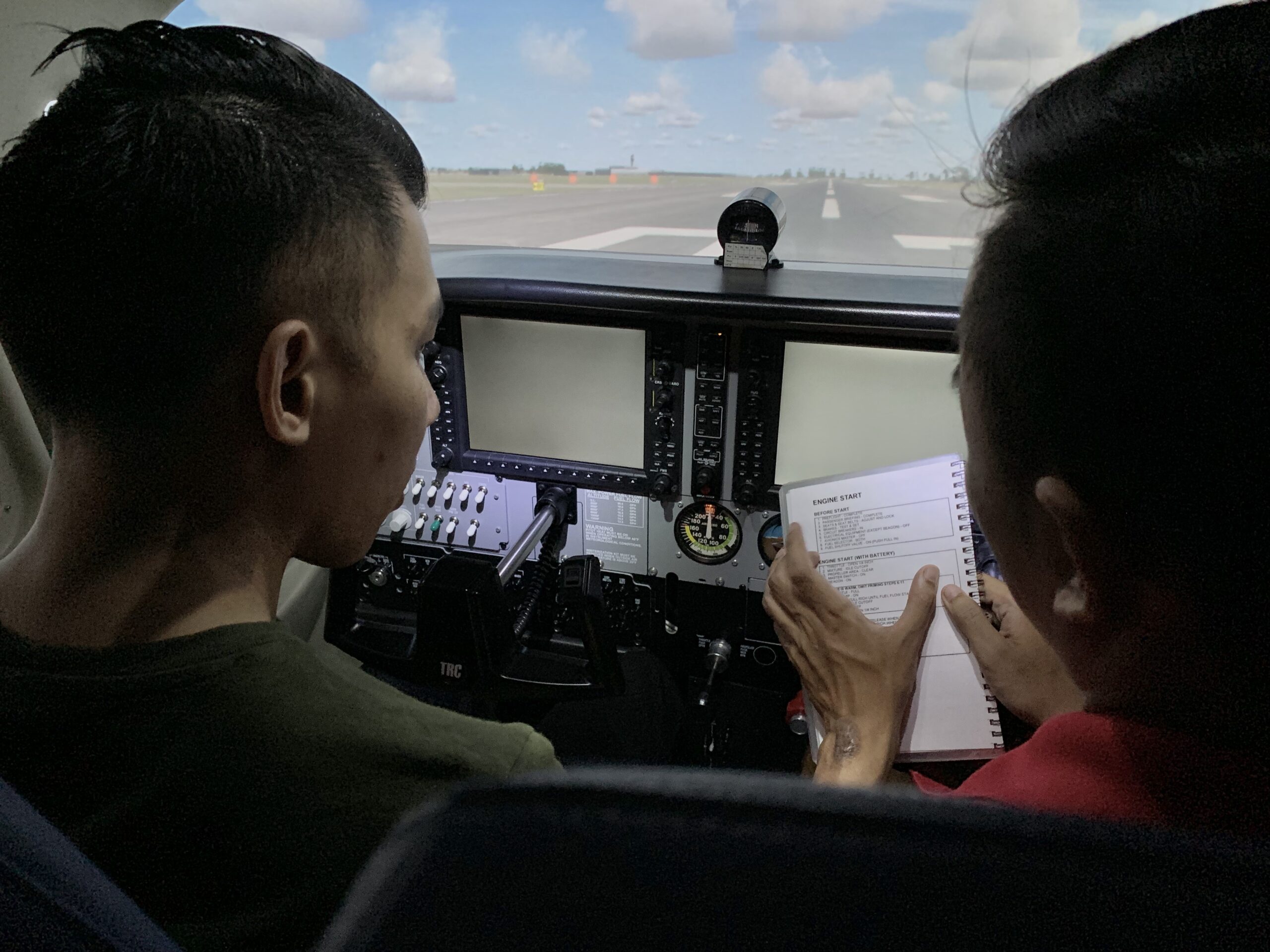
Whether you’re looking to fly for fun or preparing for a professional aviation career, we can help you take the first step.
✈️ Learn more about our Recreational Pilot Certificate Program or get in touch with us today to find out which pathway is right for you.
 Login with Google